
Real estate attorney sitting with client

The Importance of Disclosures in Real Estate Transactions

Buying real estate property is one of the single most expensive investments that you will make. Buyers need to know that they are getting what they are being promised when they purchase a property. 

In Rhode Island, a seller must provide a buyer and each agent with whom the seller knows he/she or the buyer has dealt with concerning the property, with a written disclosure form prior to signing a purchase contract. This usually equates to the buyer and the buyer’s agent. The most important thing is that the buyer is made aware of any issues with the property. 

Actual Knowledge of Issues with the Property

On this form, sellers must disclose of any information regarding issues with the property of which they have actual knowledge. Any disclosures that a seller makes should not be misleading and should not hide anything. Additionally, by disclosing of any issues with the property will help to prevent potential liability issues in the future. 

It may be considered a material breach of a real estate contract if a seller fails to accurately disclose of anything that may impact the value of the property. When a material breach of the real estate contract occurs, the seller may end up facing a lawsuit and paying a hefty amount in damages. 

What is on the Disclosure Form?

The disclosure form includes disclosures regarding property defects as well as basic information about the property:

  • Whether it’s located in a wetland/flood zone
  • Whether it’s located in a historic district
  • Whether construction has occurred without a permit
  • Real estate taxes
  • Whether any homeowners’ insurance claims have been filed
  • Whether there is a homeowner’s association

As far as major issues with the property, the form also asks about the presence of:

  • Mold
  • Lead paint
  • Asbestos
  • Radon
  • Any other hazardous materials

Checking the Boxes

Disclosure forms also include a list of every part of the property and whether the seller knows of any defects or issues with that part of the property. It’s important to note that the seller is not obligated to know everything, but if the seller does have knowledge of something, he or she must truthfully indicate such issue by checking the box next to “yes.” Likewise, if there is no issue, the seller should check the box next to “no.” But if a seller is unaware of an issue, he or she can put “UK,” which stands for unknown, or “NA,” which stands for not applicable if such a feature is not present in the property. 

The form also includes space to include details of any defects or issues. If there is an issue with the property that the form does not inquire about but that the seller is aware of, he or she should include it on one of the “other” lines on the form. 

Before the sale of the property, the buyer and the seller are required to sign the disclosure form and should always maintain a record of the form. 

PALUMBO LAW Helps Those in Rhode Island with their Real Estate Needs

The process of closing on a real estate property can be really confusing and very detailed. This is why it’s so helpful to consult with a knowledgeable and experienced Rhode Island real estate attorney who knows the ins and outs of the closing process. 

At PALUMBO LAW, our experienced Rhode Island Real Estate lawyers will walk our clients through the entire closing process. We have experience and proper contacts to ensure that you are paying an appropriate amount and are receiving a safe property as promised. To learn more or to schedule a free consultation, call us today!

How Can You Prevent a Sewer Backup?

How Can You Prevent a Sewer Backup?

Just as you would probably imagine, sewer backups can cause great damage to your property, including your business. They occur when heavy rainfall exceeds what your city’s system can handle. When that happens, the water then has no place to go, overflowing into your property. It will come out from your plumbing, generally on the lower floors, and tends to smell extremely bad. The worst sewer backups are those that occur from the main sewer line, which is the pipe that all of your drains connect to. It is also the pipe that takes wastewater to the main municipal sewer line as well as private septic tanks. 

Causes of Sewer Backups

Sewer backups are commonly caused by:

  • Water in a basement
  • Tree roots 
  • Damaged sewer lines

Although not as common, rinsing or flushing grease or large pieces of food down the sink or toilet can result in a backup. While backups caused by human activity can often be fixed with the use of small tools that help to snake the drain, sometimes even those don’t work. You should be aware that when a sewer backup occurs, one of the first things that you will notice is a gurgling toilet. 

Are Sewer Backups Covered by Insurance?

While sewer backup coverage is generally available for purchase, most business insurance policies don’t cover them. The best thing that you can do is to review your insurance policy and to add coverage if you don’t have it. However, if a sewer backup has already occurred, you’re out of luck. 

How Can You Prevent Sewer Backups?

Luckily, there are quite a few things that you can do to prevent sewer backups. These include:

  • Properly disposing of paper products such as diapers, paper towels, and feminine hygiene products (e.g., not flushing them down the toilet)
  • Properly disposing of grease by pouring it into a heat-resistant container and throwing it out after it has cooled and solidified
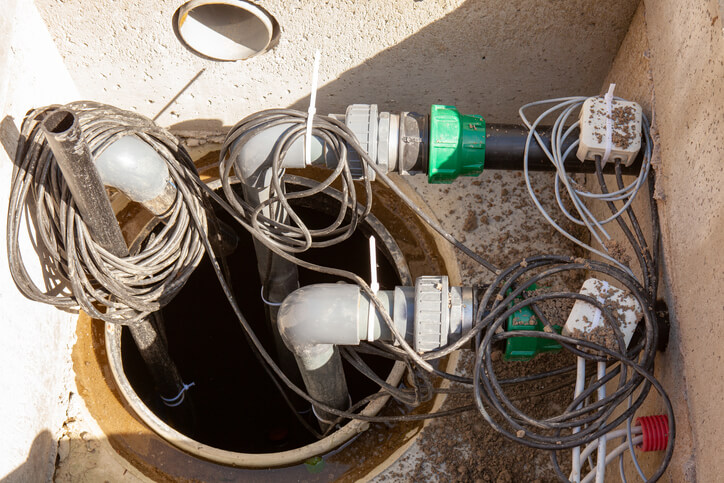
  • Properly connecting your plumbing system and avoiding connecting any sump pumps, French drains, and flood control systems to your sanitary sewer
  • Replacing your current pipe with a new plastic pipe, which can prevent tree roots from entering your line
  • Periodically cutting your tree roots
  • Hiring a plumber to install a backwater prevention valve, which, as its name suggests, can prevent backflows of sewer water

When a sewer backup occurs, it can cause great damage to your property (water damage, mold, etc.), valuables, and electricity, as well as serious illness due to its unsanitary nature. If you experience a sewer backup, be sure to minimize additional damage by having a professional company cleanup the property as soon as possible. 

PALUMBO LAW Helps Those in Rhode Island with their Real Estate Needs

Property damage claims can be very overwhelming – especially when you’re not familiar with exactly how they work. That’s why consulting with a knowledgeable and experienced property insurance attorney can help. 

At PALUMBO LAW, our experienced Rhode Island Property Insurance lawyers work strategically to help our clients to get what they deserve. We have deep experience working with insurance companies and understand how to deal with them. If you plan on filing a claim or have done so and been denied, we can help. To learn more or to schedule a free consultation, call us today!

Client taking keys to new home

About to Close on a Home? Consider These 5 Things

Finding a house that you love can be quite an undertaking. You may have been searching for a while, but when you finally find it, it’s extremely exciting. However, even after you find “the one,” you must go through things such as inspections, disclosures, and other reports. And even after these things, there is still more to do. When you’re about to close on a home here are 5 things to consider doing both before and after. 

  1. Set up your electric and other utilities.

It would be wonderful if you could walk into a property after closing and have electricity, gas, water, and the like. And while a lot of utility companies allow for grace periods (assuming your property was previously lived-in), this isn’t true for every single one. Therefore, it’s important that you establish when your utilities will be turned on. Be sure to set this up with each of your utility companies. The last thing you want to be after closing is without power. To be safe, you may want to set things up before closing on the house. 

  1. Change all of the locks.

This may seem strange – especially if your house is new construction – but it’s smart to assume that other people have a set of keys to your house. There were a lot of people in and out of the house during the sales process; everyone from stagers to painters, to agents. Therefore, it’s best to set up an appointment with a locksmith and have all of the locks changed – just to be safe. 

  1. Hire a professional cleaning company.

Just because you’ve closed on a house doesn’t mean that it will be clean when you move in. Therefore, hiring a professional cleaning company to come out right after closing. In the event that the seller also had it cleaned, it will only be even cleaner. Once you move in you won’t have the same access to all of the surfaces. 

  1. Plan for any renovations.

Before closing on your house you likely have a good idea of what needs to be renovated. That’s why it can be greatly beneficial to have contractors come to the home with you during the final walkthrough to provide bids on the work that you’re looking to have done. If you are looking for things with the floor, the walls, or other small work, it’s best to consider having it done before you move in. If you’re looking for a good contractor, your real estate agent may be a good place to get referrals. 

  1. Have a reliable contractor on call for small things. 

Things such as hanging pictures high up or properly aligning your furniture can be a big headache when you have a lot to worry about. If you put a hole in the wall when trying to hang a picture or chip the paint in your bedroom, having someone available to help you for a couple of hundred bucks can make things much smoother. 

PALUMBO LAW Helps Those in Rhode Island with their Real Estate Needs

The process of closing on a real estate property can be really confusing and very detailed. This is why it’s so helpful to consult with a knowledgeable and experienced Rhode Island real estate attorney who knows the in’s and out’s of the closing process. 

At PALUMBO LAW, our experienced Rhode Island Real Estate lawyers will walk our clients through the entire closing process. We have experience and proper contacts to ensure that you are paying an appropriate amount and are receiving a safe property as promised. To learn more or to schedule a free consultation, call us today!

Condominium fees being calculated

Do You Have the Right to Set Aside Your Condominium Fees?

When you own a condominium, you are responsible for paying fees. These fees help to pay for the maintenance, safety issues, and improvement of all shared spaces. But what if you don’t agree with how this money is being spent? Do you have the right to withhold your fees from the condo association?

The simple answer is “no.” You never have the right to withhold your fees regardless of any grievances that you may have. Any issues that you have must be dealt with separately. 

What Happens if You Fail to Pay Required Fees?

If you fail to pay the required association fees, your account will be turned over for collection. If you have not paid the association fee because you believe that you owed a different amount or the amount that you owed was already accounted for, this is different than a condo unit owner holding back fees because they disagree with how the money is being spent. If you believe that you have already paid what was owed or there is a discrepancy with the amount owed, your case should be referred to the association’s legal counsel for an investigation. 

Consequences

Failure to pay your assessment can result in serious consequences. Under the Rhode Island Condominium Act, an association may charge interest on common expense assessments that are past due. However, they may not charge more than 21 percent annually. Additionally, the association can charge you late fees. What you would owe for failure to pay your fee should be laid out in the Declaration or an amendment to it. It’s important to note that unit owners must receive notice of penalties and when they go into effect. 

Liens

Failure to pay association fees can result in a lien against the property of up to $7,500. It’s important to note that the payment of the lien would come before a first mortgage. This is in addition to the fees and interest due. If the condo owner fails to pay, it will ultimately result in a foreclosure of their unit. 

For these reasons it’s imperative that condominium fees should take priority when it comes to paying your bills. Regardless of the amount that you owe in assessment fees, with late fees, interest, and attorney’s fees, you can end up paying so much more. This is not to mention a possible foreclosure of your property if you can’t pay everything back.

PALUMBO LAW Helps Those in Rhode Island with their Property Insurance Claims

At PALUMBO LAW, our experienced Rhode Island Condominium Law attorneys understand Rhode Island condo law and will work strategically to help our clients maintain their rights. If you believe that you have already paid your fees or if you have an issue with your association fees, we can help. To learn more or to schedule a free consultation, call us today!

Insurance attorney speaking with clients

What is an Elevation Certificate and When is it Required?

There are many things we often consider prior to purchasing property. One of the things that we need to be aware of is the location of the property, or more specifically, whether it is in an area that is prone to flooding. In fact, the Federal Emergency Management Agency (FEMA) requires that all new or improved buildings in flood-prone areas have proper elevation. They ensure this by using elevation certificates to determine whether the property in question is susceptible to flooding. 

Flood Insurance

Since 2013, every condo or home sold in Rhode Island must have a flood insurance addendum to an offer to purchase. This addendum is important because it helps to inform potential buyers of the cost of flood insurance based on the corresponding elevation certificate. This helps buyers to understand the additional costs that they may incur should they purchase the home. 

Elevation Certificates

Elevation certificates are important because they include information such as the location of the property, the building characteristics, the flood zone, and the lowest floor’s elevation. These certificates are issued by the National Flood Insurance Program (NFIP) and certified by a licensed architect, engineer, or surveyor. Using the base flood elevation required by flood plain management ordinances, this certificate helps to determine the rate of your flood insurance premium. 

Flood insurance is separate coverage not included in a homeowner’s regular insurance policy. Individuals with mortgages must have flood insurance that matches at least the amount of your mortgage. Your property can be foreclosed upon if you do not have the minimum requirement. Since Rhode Island is a coastal state, near lakes and rivers, with area more prone to storm waves, tidal surges, having flood insurance is extremely important for Rhode Island homeowners.

Can You Remove Your Home from the Special Flood Hazard Area?

Should your home be located in a high-risk zone that is still above the Base Flood Elevation, you may be able to have it removed from the Special Flood Hazard Area (SFHA) by filing a Letter of Map Change (LOMC). This would then allow you to convert the flood insurance policy that you currently have to a Preferred Risk Policy (PRP), which is less expensive.

PALUMBO LAW Helps Those in Rhode Island with their Water Damage Claims

When you are already stressed and dealing with paying to fix damage in your home caused by water, the last thing that you want to have to worry about it damage claim denial. That’s where a qualified property damage attorney, specializing in water damage, can help. 

At PALUMBO LAW, our experienced Rhode Island Property Insurance lawyers work strategically to help our clients to get what they deserve. We have deep experience working with insurance companies and understand how to deal with them. If you are planning on filing a water damage claim, or if have already filed your claim and been denied, we can help. To learn more or to schedule a free consultation, call us today!

Outdoor firepit

Protect Against These 3 Common Causes of Summer Fires

Many people think that fires only occur during the wintertime when the fireplace is glowing hot. However, fires are also a concern during the warmer months as well. It’s important to understand that outdoor fires, when not properly maintained, can lead to loss of property, serious injury, or even death. Here are three common causes of summer fires and how to protect yourself while enjoying your time outside. 

1. Outdoor Cooking

Many people use the summertime as a great opportunity to cook outdoors. Grilling is a mainstay for many people when the weather is nice. Barbecuing with friends and family, camping in the great outdoors, and tailgating at a Red Sox game are all favorite summer past times. But whenever you’re cooking outside, you’ll want to do so safely. This means:

  • Remain at least 10 feet from all structures
  • Always cook on a level surface
  • When starting your grill be sure to leave it open
  • For small fires use a spray bottle with water
  • For grease fires use a lid of other source to cut oxygen
  • For any flame use a fire extinguisher
  • If a fire occurs and gets out of control call 9-1-1- immediately
  • Always clean your grill after each use

2. Fireworks

The summertime is often filled with fireworks, turning the night sky into beautiful, bright pops of color. But while they can be a beautiful sight, fireworks can also pose a fire hazard. To remain safe be sure to:

  • Check your hose and make sure it’s working
  • Have a bucket of water nearby in case a firework goes amiss
  • Keep the fireworks out of reach of children and animals
  • Only allow children to hold sparklers when supervised by an adult
  • Only ignite fireworks away from all structures
  • Never stand over the top of a firework 
  • Never relight a firework once it’s already been lit

3.  Fire Pits and Patio Heaters

While summer days are usually hot, the nights can sometimes prove a little chilly. Fire pits and heaters for the patio often serve as a great solution to the cold. However, they also pose a fire risk. To remain both cozy and safe, be sure to:

  • Keep fire pits at least 10 feet away from structures
  • Follow the manufacturer recommendations for heaters (this is generally at least three to five feet away from all structures)
  • Avoid placing fire pits and heaters on flammable surfaces or near low-hanging branches
  • Never leave a fire pit or heater unattended
  • Avoid using a fire pit or heater if it is windy
  • Avoid using lighter fluid in the fire pit

PALUMBO LAW Helps Those in Rhode Island with their Fire Damage Claims

When you have suffered damage due to a fire, it can be both devastating and overwhelming. By working with an insurance attorney, he or she can help to walk you through each step of the process of filing a claim to recoup your losses. Even if your claim has already been denied, a knowledgeable and qualified attorney can help.

At PALUMBO LAW, our experienced Rhode Island Property Insurance lawyers work strategically to help our clients to get what they deserve. We have deep experience working with insurance companies and understand how to deal with them. If you are planning on filing a fire damage claim, or if have already filed your claim and been denied, we can help. To learn more or to schedule a free consultation, call us today!

Homeowners going over insurance policy

Is Homeownership Really Worth It?

Homeownership remains a cornerstone of the American dream, but is it still a smart move in Rhode Island’s current housing market? With rising home prices, limited inventory, and increasing mortgage rates, many first-time buyers are asking whether the long-term benefits outweigh the upfront costs. This post by our Rhode Island real estate attorney explores the latest market trends, affordability challenges, and financial considerations specific to Rhode Island, helping you make an informed decision about whether buying a home is the right step for you.

What’s Happening in Rhode Island’s Housing Market in 2025?

Rhode Island’s homeownership rate is estimated between 65% and 67%, slightly below the national average. While the market has stabilized since the pandemic, affordability remains a major concern for first-time buyers. Median home values have increased by 8–12% annually over the past two years, outpacing wage growth and making it harder to enter the market.

Mortgage rates have also climbed, now averaging between 6% and 7% for a 30-year fixed loan. This increase significantly affects monthly payments, especially in a market where inventory remains tight. With less than three months of housing supply available, Rhode Island is firmly in a seller’s market. Buyers often face bidding wars and must act quickly.

At the same time, rental prices are rising, up 5–7% annually, pushing many renters to consider buying as a way to stabilize housing costs. However, success in this market requires financial readiness, mortgage pre-approval, and flexibility in expectations.

What Are the Long-Term Financial Benefits of Owning a Home?

Despite short-term challenges, homeownership in Rhode Island offers significant long-term financial benefits. One of the most important is home equity growth. Over the past two years, Rhode Island homeowners have seen average equity gains of 15–20% annually, contributing to long-term wealth and financial stability.

Owning a home also acts as a form of forced savings. Each mortgage payment builds equity, unlike rent payments that offer no return. Homeowners may also benefit from tax deductions on mortgage interest and property taxes, depending on their financial situation.

In contrast to rising rents, a fixed-rate mortgage provides predictable housing costs over time. Financial advisors often recommend homeownership for those planning to stay in one place for at least five years. This timeline allows homeowners to build equity and offset the upfront costs of buying.

What Are Common Misconceptions About Buying a Home in Rhode Island?

Many first-time buyers in Rhode Island delay purchasing a home because of common myths that don’t hold up under scrutiny. One of the most persistent beliefs is that buying is always cheaper than renting. While ownership can be a smart long-term investment, the initial costs, like down payments, closing fees, and ongoing maintenance, can make renting more practical in the short term.

Another misconception is that you need a 20% down payment to buy a home. In reality, several first-time homebuyer programs in Rhode Island allow for down payments as low as 3% to 5%, often with additional financial assistance available.

Some also assume that owning a home guarantees long-term wealth. While homeownership can help you build equity, market downturns and large repair costs can quickly offset those gains. It’s also risky to believe the market always goes up. Real estate values rise and fall based on economic conditions, interest rates, and local demand.

Knowing the truth behind these myths can help buyers feel more confident, avoid financial strain, and choose a path that fits their real needs and goals.

How Can You Prepare for Buying a Home in Rhode Island?

If you’re considering buying your first home in Rhode Island, preparation is key. Start by getting pre-approved for a mortgage to understand your budget and show sellers you’re serious. Be sure to account for the full cost of ownership, including property taxes, homeowners’ insurance, and ongoing maintenance.

Building an emergency fund is also essential. Unexpected repairs or job changes can strain your finances if you’re not prepared.

Rhode Island offers several resources for first-time buyers. The Rhode Island Housing Agency provides down payment assistance and favorable loan options. 

Plan to stay in your home for at least five years to maximize equity growth and offset transaction costs. Most importantly, avoid overextending your finances. Stick to a realistic budget that leaves room for savings and emergencies.

Is Homeownership a Smart Move for First-Time Buyers in Rhode Island?

Despite rising prices and limited inventory, homeownership in Rhode Island can still be a smart investment, especially for buyers who are financially prepared and plan to stay long term. With the right planning, local assistance programs, and a clear understanding of the market, first-time buyers can build equity and gain financial stability over time.

Why Work with a Rhode Island Real Estate Attorney?

If you’re considering buying your first home in Rhode Island, PALUMBO LAW can help you understand the legal and financial implications of homeownership. From reviewing purchase agreements to advising on title and zoning issues, our team is here to protect your interests. Contact us today to schedule a consultation and take the next step with confidence.

Smoke and smoke detector in a house

What to Know About Smoke Damage Claims

When a fire starts it can wreak havoc on your property. But what about the smoke associated with it? Smoke damage can also be a big concern when it comes to how it can impact your health and how it can also severely damage your property. Smoke particles can end up embedding themselves into your skin, eyes, and respiratory system, causing serious health issues. Those with pre-existing medical conditions or weakened lungs or hearts can find themselves further injured. 

Smoke Damage and Insurance

Smoke damage is generally considered a covered peril under most insurance policies, though it’s really important that you examine the fine print of your own policy. However, there are a lot of issues that arise concerning just how severe the associated damage is from the smoke. Insurance companies may despite a claim that the smoke caused as much damage as it did. 

Smoke can cause damage to property by discoloring materials such as tile and marble or by infiltrating rungs, curtains, and other porous materials. Sometimes insurance companies will pay for cleaning companies to care for your property, but sometimes smoke damage may be so severe that no amount of cleaning could fix the issue; rather, it would require replacing the property altogether. 

Denying a Claim of Smoke Damage

Unfortunately, sometimes your insurance company may deny your claim for smoke damage. There are several reasons as to why it may do so, such as:

  • Differing as to the valuation of the damage
  • Claiming that the smoke damage, resulted from a fire intentionally set (arson)
  • Believing the accusations or charges to be false
  • Finding a violation in the terms and conditions of the insurance policy

Partial Loss vs. Total Loss

When the property impacted by smoke damage can be salvaged, it is considered a partial loss. Partial loss may include things such as inadequate repair, remnants of smoke or ash, and diminished air quality. Since many insurance companies consider partial loss claims to be low priority, they often delay handling them.

When property is completely destroyed, it is considered a total loss. The insurer is responsible for determining if something is a total loss. If you believe that something is a total loss but your insurer does not, you can always hire a public adjuster to assess the damage and associated claim. He or she will determine whether your loss meets the criteria to be considered total. Considerable structural damage is often associated with a total loss. Put simply, if the foundation of a property is considered hazardous because its components are damaged, there’s a good shot it’s a total loss. 

PALUMBO LAW Helps Those in Rhode Island with their Property Insurance Claims

Property damage claims can be very overwhelming – especially when you’re not familiar with exactly how they work. That’s why consulting with a knowledgeable and experienced property insurance attorney can help. 

At PALUMBO LAW, our experienced Rhode Island Property Insurance lawyers work strategically to help our clients to get what they deserve. We have deep experience working with insurance companies and understand how to deal with them. If you plan on filing a claim or have done so and been denied, we can help. To learn more or to schedule a free consultation, call us today!

Man receiving keys for his condo

What to Know Before Buying a Condo

Purchasing real estate is one of the biggest decisions that you will make. You may be torn about whether to buy a townhome, single-family home, or condominium. If you are considering purchasing a condo it’s important that you think about certain things. Here’s what to know before you buy a condo. 

1. Examine if the condo lifestyle is for you. 

Different types of homes require different types of care. Consider whether you want to worry about things such as mowing a yard or snow removal. If these don’t appeal to you a condo may fit your desired lifestyle. However, if you see yourself desiring a large yard or don’t want to worry about noise, another option may be better. 

2. Connect with a realtor who specializes in condos. 

If you had heart issues you wouldn’t see a podiatrist; you’d see a cardiologist. Why? Because they specialize in what you are dealing with. The same can be said for shopping for a condo. If you are interested in a condo you want to find a realtor who specializes in condos. That way, he or she will be aware of potential issues, resale values, necessary documents, and the proper steps to take. Still, it’s always a good idea to visit the community on your own during the day and at night. Talking to the residents can also help you gauge what the community is like. 

3. Decide upon your non-negotiable amenities. 

All condos are different and some offer more amenities than others. One condo may take care of common area maintenance and snow removal whereas others may also have a pool and a gym. You can’t always have everything you want, but each of us has certain non-negotiables. You should ask yourself which amenities are necessary when purchasing your condo. Amenities are also important to consider when it comes to reselling the condo as they may help to boost the price. 

4. Ensure your condo is FHA-approved. 

When you apply for a loan to purchase a condo, they will consider not only your personal finances but also the condo development and any issues it has had. It’s important to find the proper financing for your condo. The Federal Housing Administration (FHA) is responsible for insuring FHA mortgages and has its own list of FHA-approved condos. Having an FHA-approved condo can help you to secure an FHA mortgage or even a conventional loan. 

5. Research the property management company.

Finally, it’s also important to look into the property management company responsible for the upkeep of the property. Since you will be paying association dues to your home owner’s association (HOA), you will want to ensure that you are getting what you signed up for. In other words, you’ll want to research the property management company to see if there have been any complaints or issues concerning doing their job and doing it well. Be sure to review the association fees and regulations to understand exactly what is included and how much the fees will increase annually. 

6. Inquire about special assessments.

Sometimes an HOA board may vote to complete a special assessment. Special assessments are large projects that come with extra charges imposed upon residents. For instance, the HOA may require that you replace your windows over the next year. While these assessments are generally limited in time, they can impact your wallet. This should be taken into consideration before purchasing a condo. Can you afford the extra expense? Keep in mind that most well-run HOAs usually don’t have special assessments. Therefore, it may be good to take a look at the HOA’s previous financial reports over the last few years to see if the financial health of the association is up to good standards. 

PALUMBO LAW Helps Those in Rhode Island with their Property Insurance Claims

At PALUMBO LAW, our experienced Rhode Island Condominium Law attorneys understand Rhode Island condo law and will work strategically to help our clients to get what they deserve. If you believe that a condo unit owner has committed a nuisance, we can help. To learn more or to schedule a free consultation, call us today!

Couple looking through real estate documents

What Is the FHA Condo Approval Process?

So, you’ve made the big decision to buy a condo! While exciting, it’s important that you have a clear understanding of how you can afford the mortgage for the condo, which can help aid in your approval for one. Here’s what to know about the FHA condo approval process

In order to get your condo FHA-approved and therefore able to accept an FHA mortgage, you must complete either the U.S Department of Housing and Urban Development (HUD) Review and Approval Process (HRAP) or a Direct Endorsement Lender Review and Approval Process (DELRAP).

FHA Appraisal and Influential Factors 

Once you finish this paperwork, the condo must go through an FHA appraisal in order to ensure that it meets the requirements and standards of the FHA.

Factors that can influence approval include the following:

  • The age of the building (older buildings may take longer to be approved)
  • How quickly the FHA receives the proper documents 
  • How eligible the condo complex is for FHA approval
  • The current caseload of the FHA, which can cause delays

Generally, it takes approximately 2-4 weeks for a condo to be FHA-approved. However, this approval is not permanent; the condo must be recertified for FHA approval once every three years. 

FHA Condo Approval Requirements

The FHA requires the following before approving your condo:

  • The property must be completed in its entirety
  • The property must be insured for flood, hazard, and liability insurance as well as others required by state law and HUD
  • The condo’s homeowners association (HOA) must have at least 10% of its budget in a cash reserve
  • No more than 15% of condo units may be more than 60 days delinquent in paying their HOA dues
  • Only 50% (or less) of the units can be used as rentals or be owned by investors

It’s important to bear in mind that even if your condo complex hasn’t been FHA-approved, your individual condo may be with a “spot approval.” However, the condo complex must still meet all of the FHA standards. 

If your condo lacks FHA approval, you won’t be able to buy it using an FHA loan or sell it to a buyer with an FHA loan.

The condo-buying process can be both complex and confusing. Fortunately, a real estate attorney can help. 

PALUMBO LAW’s Team of Real Estate Attorneys Represents Buyers, Borrowers, Sellers, and Lenders in Rhode Island

At PALUMBO LAW, we understand that buying a home can prove quite complex. Our team is committed to delivering quality service and can handle all aspects of your residential purchase.  We prepare all the necessary legal documents, including loan documents, deeds, and other closing documents, assist with obtaining financing, represent clients at closing, record documents, and obtain final Title Insurance policies. By handling all the details, we minimize the stress so that our clients can focus on their daily routines. To learn more or to schedule a free consultation, call us today!